Freelancer
Cost$10k–$40k
TimelineAvailability-dependent
Published estimates currently span roughly $5,000 to $200,000+. Across the guides we reviewed, focused custom web and SaaS MVPs repeatedly land around $15,000–$80,000—before unusually complex, regulated, or multi-platform scope.
These are vendor-published estimates and live package prices, not an independent industry census. We show the sources and methodology below.
MVPHatch Core MVP
$15,000
15
working days
100%
code ownership
These figures are a transparent reading of current vendor guides and published packages—not a promise that every supplier will quote inside the range. Compare what is included before comparing the headline number.
Freelancer
Productized MVP studio
Traditional software agency
In-house team
MVPHatch Core MVP
price and date in writingA production web or mobile MVP with one decisive core workflow
MVPHatch offer
The number of screens is a poor estimating tool. These are the questions that actually move a responsible quote.
One job-to-be-done is fast to shape. Five interdependent journeys are a different product.
A customer account is simpler than customer, operator, manager, and admin access with exceptions.
Straightforward subscriptions are predictable. Usage billing, refunds, tax, and payouts add edge cases.
Each third-party API adds implementation work, failure states, testing, and vendor dependency.
A prompt is cheap. Reliable retrieval, evaluation, fallbacks, permissions, and cost controls are not.
Live collaboration, chat, tracking, and notifications need more infrastructure and testing.
Two-sided onboarding, matching, payouts, disputes, and moderation multiply the core flows.
A responsive web product is one surface. Native iOS and Android introduce two release pipelines.
Health, finance, regulated data, and formal audits require specialist controls and evidence.
A focused product system is efficient. Many unique screens and interaction patterns take longer.
Starting clean is simpler than importing, cleaning, reconciling, and validating legacy records.
Monitoring, analytics, support tooling, QA, and handover separate a demo from a live product.
A typical Core MVP gives one user type a complete path from sign-up to the product's main outcome. The exact scope depends on the idea; this is a realistic example, not a universal bundle.
Example scope
These can be excellent products. They're simply not MVP-sized projects—and squeezing them into an MVP quote usually creates a weak product or an expensive change order.
A traditional agency can be the right model for a larger organization or wider release. The economics change when more people, uncertainty, governance, and scope enter the project.
More parallel capability, but more coordination and billable roles.
Useful when the problem or stakeholder group needs deeper alignment.
More workflows, platforms, and exceptions increase build and QA time.
A larger visual system and more unique interactions require more design cycles.
Project management, sales, operations, and bench time are part of the rate.
Unclear scope is priced as contingency—or appears later as change requests.
We control the version-one scope, keep senior engineers close to the decision, reuse proven engineering foundations where they fit, communicate directly, and run a short fixed cycle. Fewer organizational layers only works because the scope is protected.
Three focused launches, with our role and the sequence of events stated plainly. Product outcomes belong to the companies; our claim is the product work we delivered.
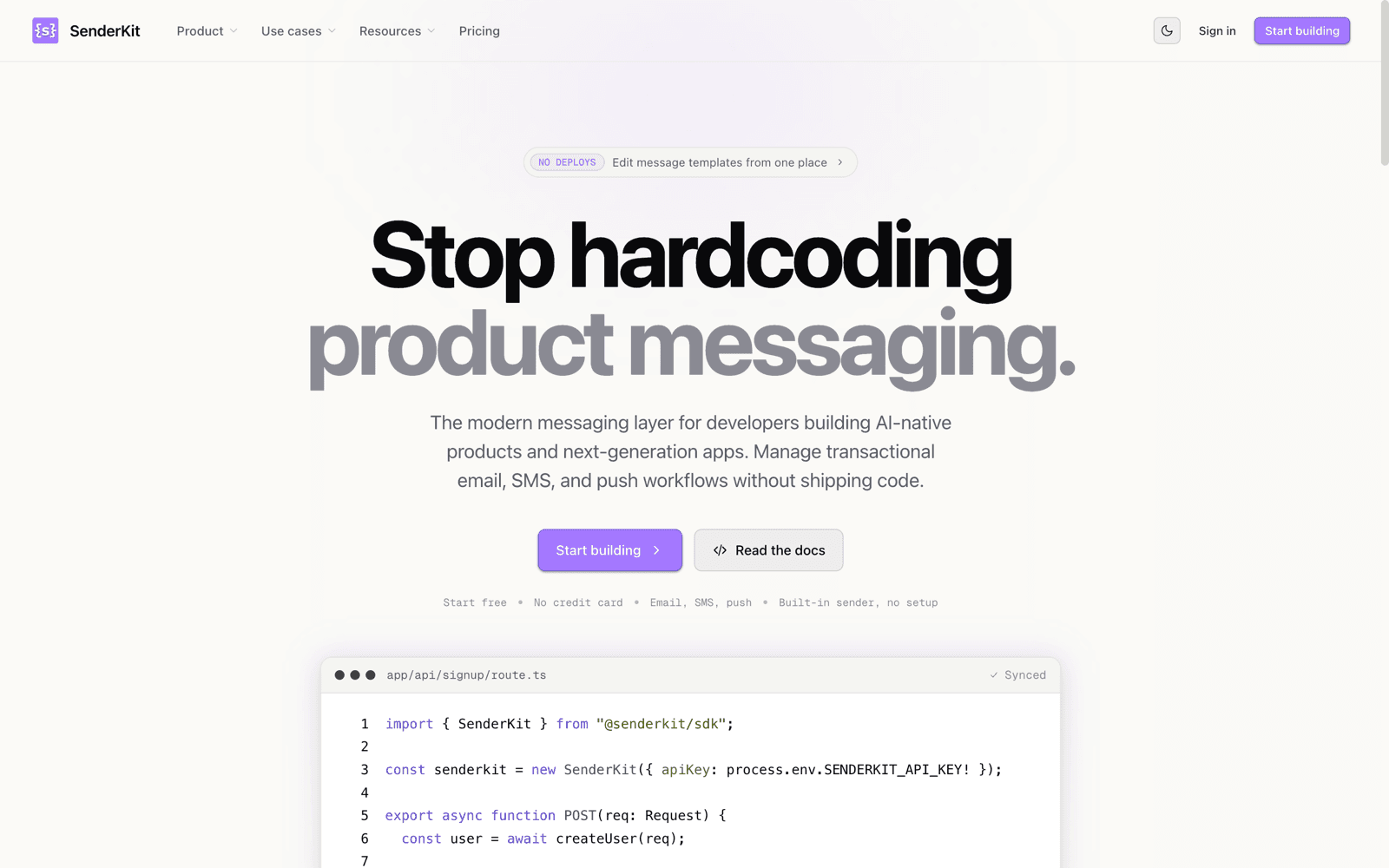
Messaging infrastructure
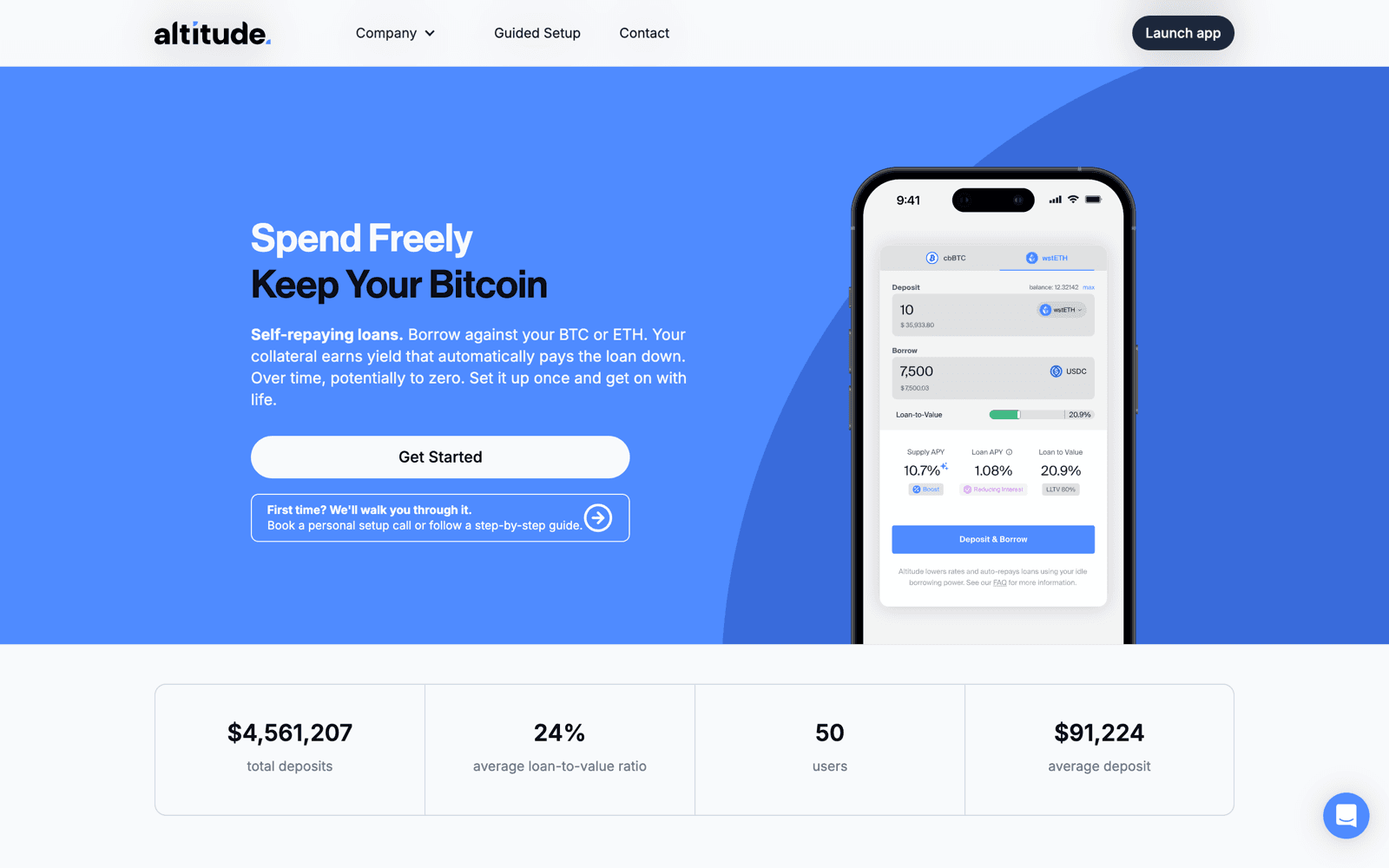
Fintech · DeFi lending
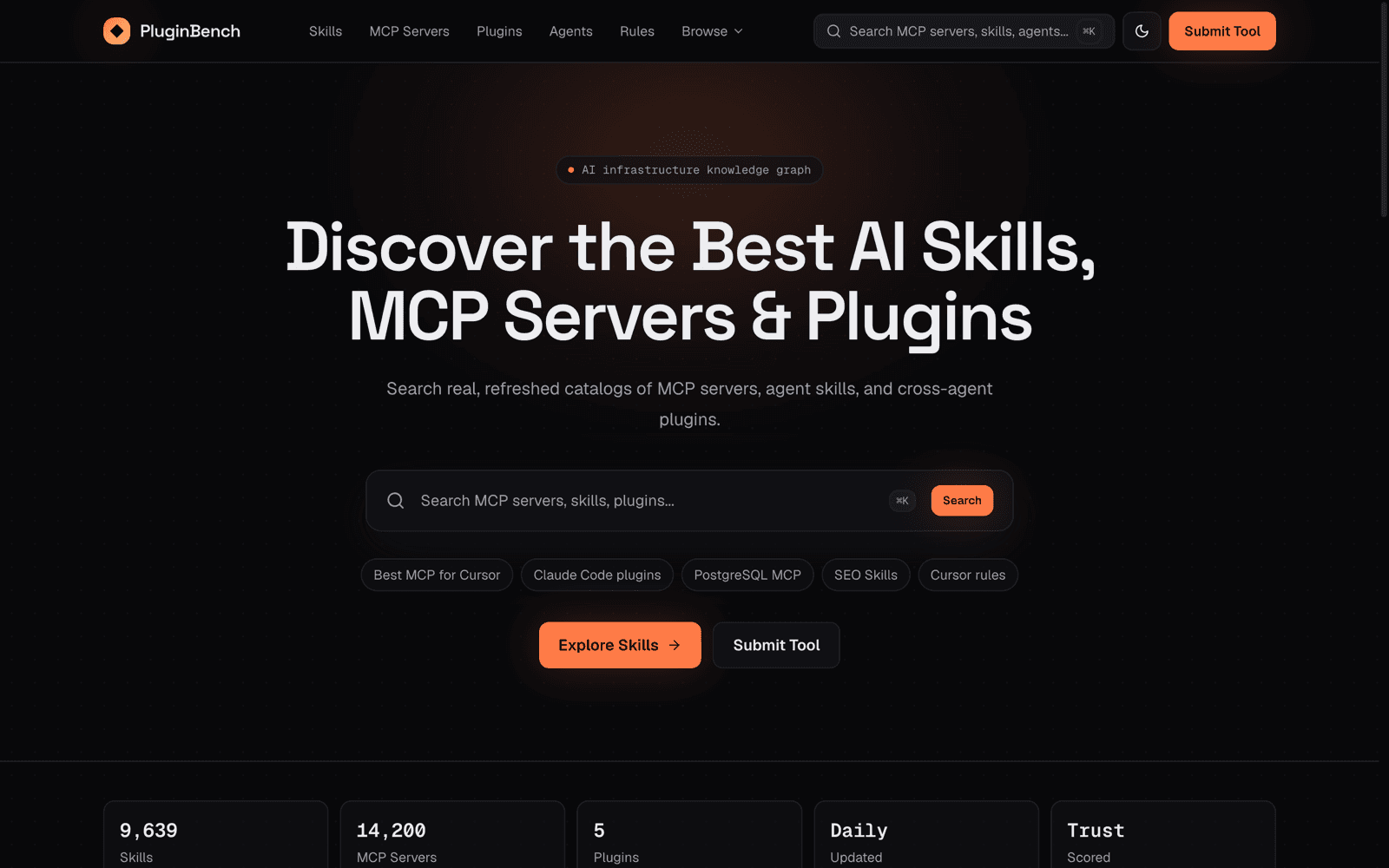
AI infrastructure · Search
It is spending four months perfecting secondary workflows before anyone has completed the one action that proves the product matters. A disciplined MVP budget buys a faster, cleaner answer—not simply fewer screens.
We reviewed the current US Google results and opened the underlying pages on August 14, 2026. The ranges below are what those vendors publish. They are useful directional evidence, but supplier definitions of ‘MVP’ are not standardized.
$5k–$150k+ overall; $25k–$80k for SaaS; simple builds in 2–4 weeks and complex builds in 3–6+ months.
Published source ↗$10k–$200k+ overall; freelancers $10k–$40k, agencies $30k–$150k+, and in-house teams $80k–$200k.
Published source ↗$10k–$20k for a simple product, $20k–$40k for more integrations, and $40k+ for AI or enterprise work.
Published source ↗Published packages from $5.9k to $14.9k+ with 2–9 week timelines; market guide spans $8k to $100k+.
Published source ↗Published fixed packages at $4k, $18k, and $38k, with stated timelines from about 10 days to 10 weeks.
Method note: we excluded unsourced Google summaries from the comparison table, did not average incompatible offers into a false single number, and kept MVPHatch pricing separate from third-party market evidence.
Current published estimates span roughly $5,000 to $200,000+. For a custom web or SaaS MVP, the guides we reviewed repeatedly place practical builds between about $15,000 and $80,000, with scope and delivery model causing most of the spread.
Yes, if the product is deliberately narrow. A prototype, a no-code validation build, or one simple workflow can fit. Production requirements such as payments, permissions, integrations, security, and launch support can move the budget higher.
It can be. MVPHatch's $15,000 Core MVP is designed for one production web or mobile product with a tightly controlled core workflow. We confirm what fits before work starts and put the scope, price, and delivery date in writing.
The visible screens are only part of the work. A production MVP also needs product decisions, data modeling, authentication, failure handling, testing, infrastructure, analytics, deployment, and a handover that another engineer can understand.
Published timelines range from about 10 days for a small productized package to six months or more for complex custom work. MVPHatch targets 15 working days for qualifying Core MVP scopes; larger products get a separate written timeline.
A credible quote should state the product scope, design work, frontend and backend engineering, database, integrations, QA, infrastructure, production launch, source-code ownership, and post-launch responsibilities. If those are missing, two similar prices may not be comparable.
The current sources we reviewed publish SaaS or modern web ranges from roughly $15,000 to $80,000 for many focused builds, while multi-tenant, AI-heavy, integration-heavy, or enterprise products can exceed $100,000.
A strong freelancer can be the right choice for a narrow spec and flexible schedule. A focused MVP team is usually easier when product decisions, design, frontend, backend, QA, and launch must move together under one owner.
They can reduce time spent producing routine code and exploring interfaces. They do not remove the need to choose the right scope, protect user data, test failure cases, design maintainable architecture, and make production decisions. Savings depend on the product and on how well the team controls the generated work.
We'll tell you whether it fits our $15k MVP scope. If it does not, you will get the reason—not a smaller number hiding a larger project.